Before modern medicine built its infrastructure around pharmacies and clinical interventions, almost every healing tradition in Asia had one thing in common: the therapeutic use of heat. Vietnamese y học cổ truyền, Traditional Chinese Medicine, Ayurveda each arrived at the same conclusion through independent paths. The combination of warmth, medicinal botanicals, and intentional stillness produces a state of physiological recovery that almost nothing else replicates quite as completely.
Somewhere along the way, this understanding got compressed into the idea of a sauna, a dry hot room you sit in briefly before returning to the world. The herbal steam room in District 1 at Co Phong Massage is something considerably more deliberate than that. It is a direct continuation of a therapeutic tradition designed not just to make you perspire, but to move your body from one functional state to another.
For anyone living or working in the specific conditions of central Ho Chi Minh City, the pollution, the oscillating temperatures, the chronic low-grade stress of urban density, a properly conducted steam bath in HCMC is less a luxury and more a form of cellular maintenance that most people’s bodies have been quietly asking for.
Herbal steam versus conventional sauna: understanding what makes the difference
Most people in Saigon who have encountered sauna therapy have experienced the dry Finnish variety, a hot wooden room, brief exposure, then a cold shower. This has genuine benefits. But comparing it to a traditional herbal steam room in Ho Chi Minh City is a little like comparing instant coffee to a Vietnamese phin filter. Both involve hot liquid. The experience and outcome are not remotely similar.
The critical distinction is the presence of herbal compounds suspended in the steam itself. When you sit in Co Phong’s Steam Room in District 1, you are not simply exposed to heat. You are breathing and absorbing a measured concentration of medicinal botanicals, including lemongrass, ginger, pandan, eucalyptus, and traditional Vietnamese therapeutic herbs, that enter the body through both the skin and the respiratory system simultaneously. This dual-entry mechanism is what gives herbal steam therapy its particular range of documented effects and why practitioners of traditional medicine have used it as a primary treatment method rather than a supplementary one.
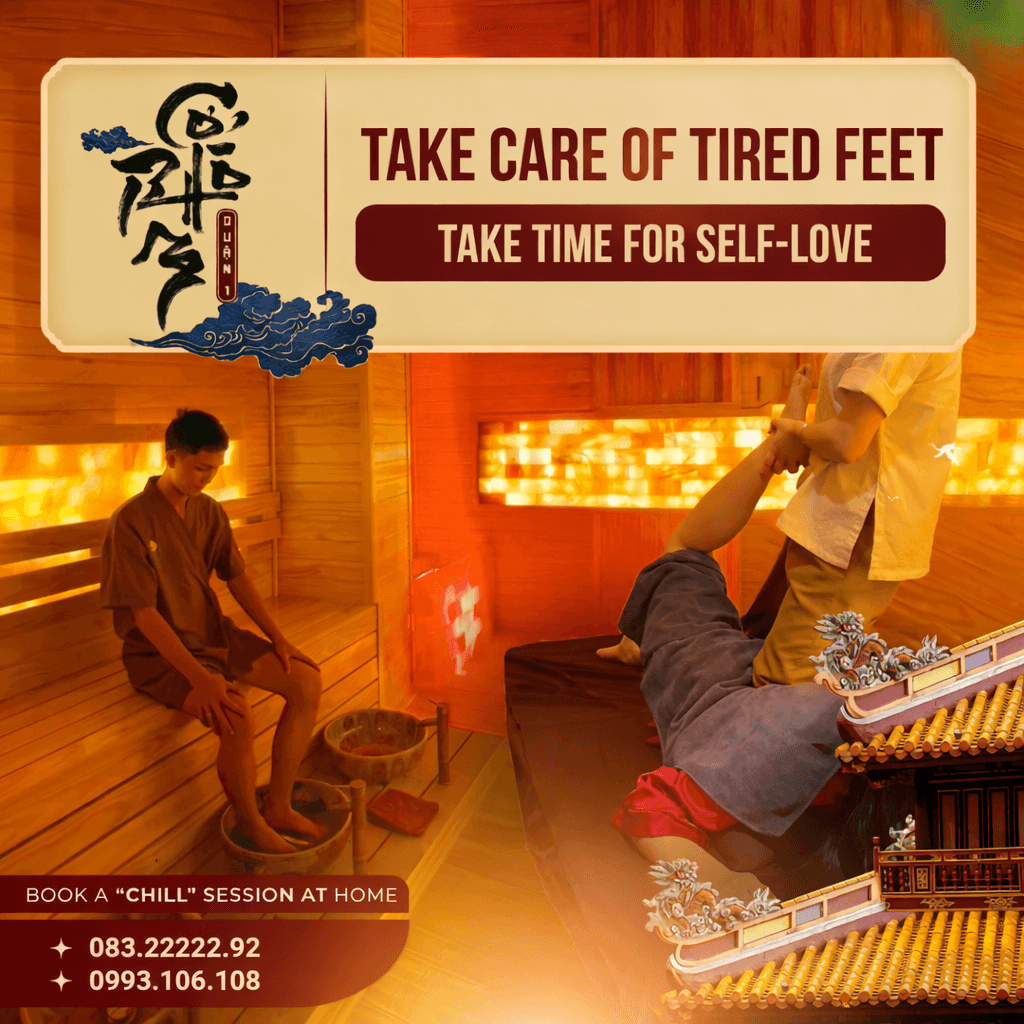
What herbal steam therapy at Co Phong actually does to your body
The physiological effects of a properly conducted steam bath in Ho Chi Minh City unfold across multiple systems at once especially when combined with Neck and Shoulder Massage in District 1, creating a deeper, more complete relaxation experience.
- Lymphatic activation. Sustained heat stimulates lymphatic flow, accelerating the clearance of metabolic waste products that accumulate in tissue during periods of stress or physical inactivity.
- Respiratory tract cleansing. Inhaled herbal steam reduces inflammation in the nasal passages and upper airways, which is particularly relevant given District 1’s air quality conditions throughout most of the year.
- Skin barrier restoration. The combination of heat, humidity, and botanical compounds clears pores and deposits active herbal nutrients directly into the dermal layer in a way that topical skincare products rarely achieve.
- Nervous system regulation. The parasympathetic response triggered by sustained warmth slows heart rate, lowers cortisol, and creates the conditions for genuine mental decompression rather than surface-level relaxation.
- Muscular tension release. Deep heat penetrates into muscle tissue far more effectively than surface massage alone, making steam an ideal preparation for any bodywork that follows.
- Circulation improvement. Vasodilation from heat increases blood flow to the extremities and to organs, delivering oxygen and nutrients to areas that chronic tension and sedentary work tend to deprive over time.
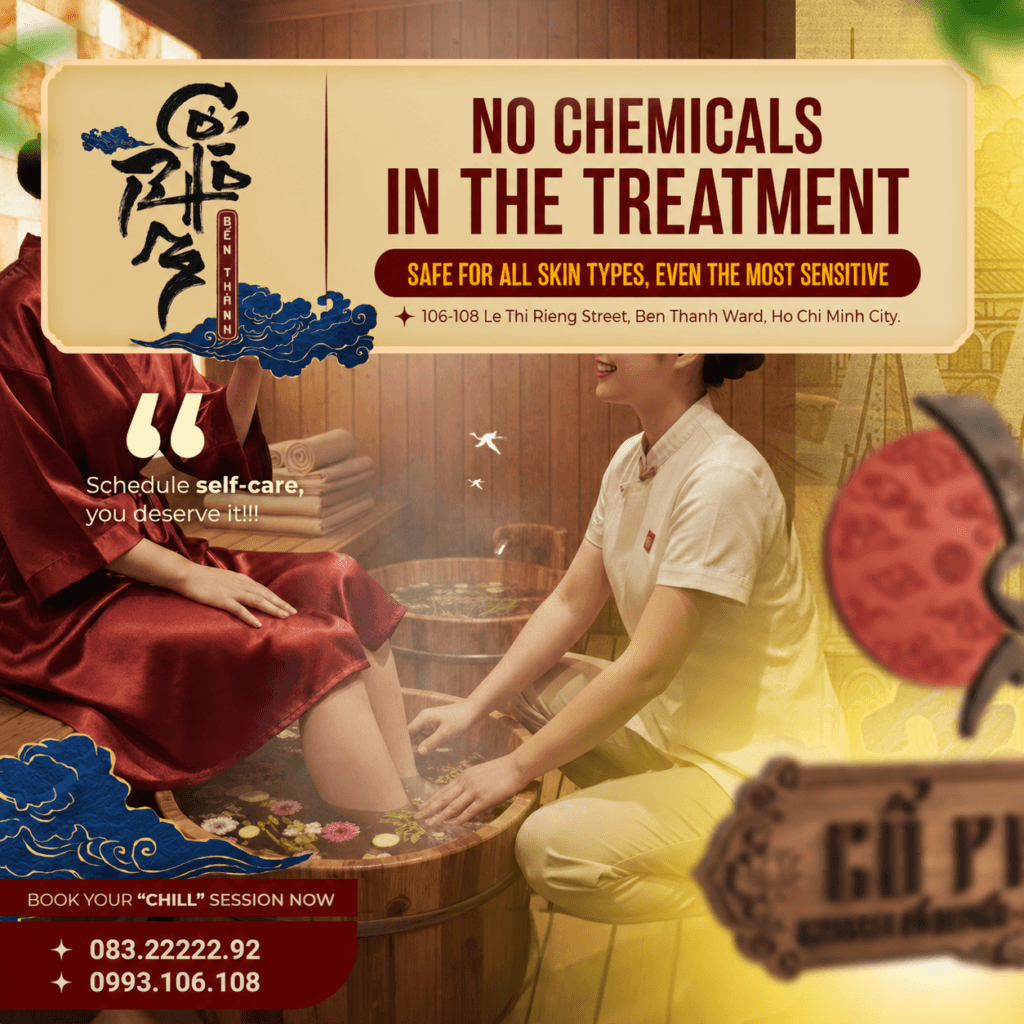
The botanical formulas: what is in the steam and why it matters
The specific herbs used in Co Phong’s steam therapy are not chosen for fragrance. They are drawn from Vietnamese and Chinese medicinal traditions and selected for their documented interaction with the body when delivered in a high-humidity, high-temperature environment. The formulation adapts according to the intended therapeutic outcome of each session.
Core botanical ingredients typically include:
- Lemongrass
- Ginger root
- Pandan leaf
- Eucalyptus
- Wormwood
- Kaffir lime leaf
- Vietnamese balm
- Bitter herb blends
Lemongrass and ginger are warming herbs that stimulate circulation and dispel the cold that traditional Vietnamese medicine associates with joint pain and muscular stiffness, a condition that prolonged air-conditioning exposure actively creates. Eucalyptus opens the respiratory tract and carries antimicrobial properties. Wormwood, one of the most widely used medicinal herbs in Vietnamese traditional practice, has documented anti-inflammatory effects that are amplified when delivered transdermally through steam. Together, these botanicals turn what might otherwise be a simple hot room into a functioning delivery system for herbal medicine.
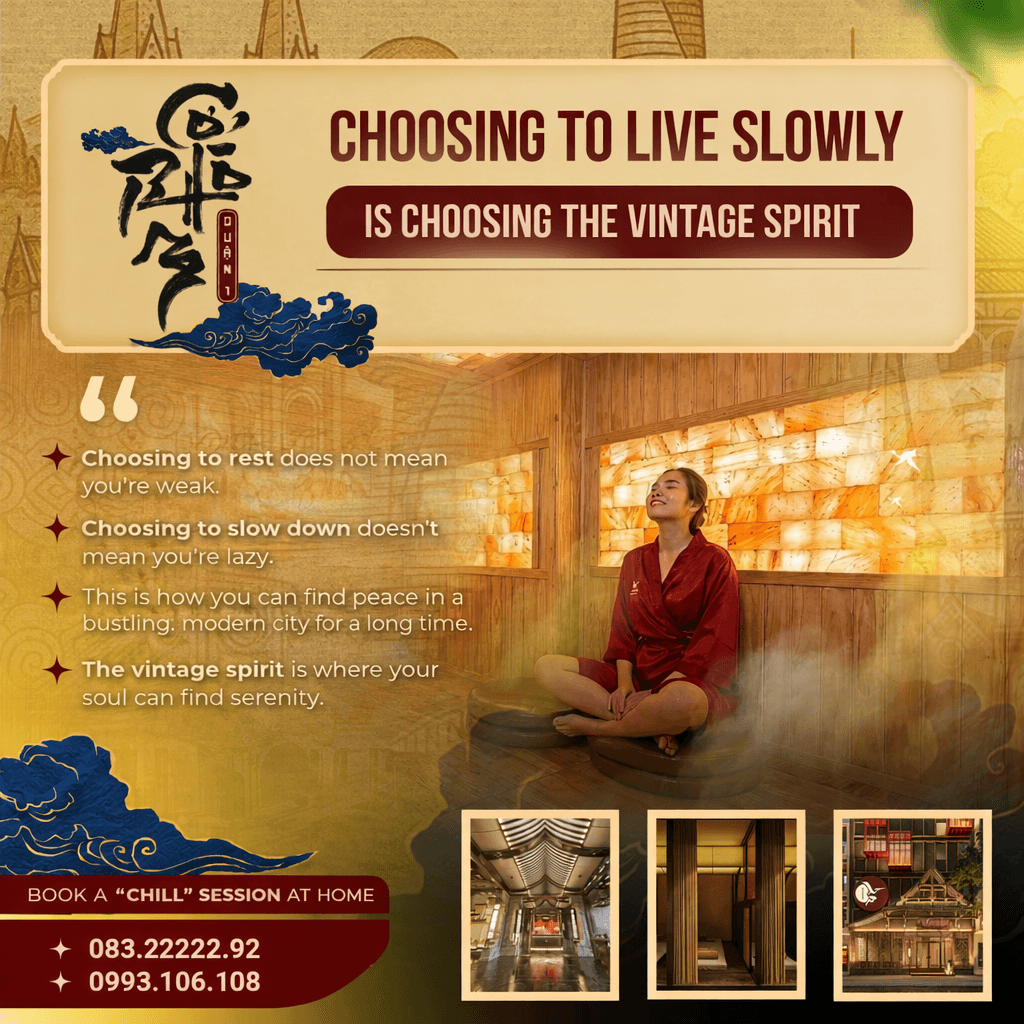
How steam therapy fits into the Co Phong wellness sequence
At Co Phong Massage, steam therapy is offered both as a standalone session and as a preparation stage within a larger treatment sequence. Understanding how it functions in each context helps you decide how to structure your visit.
As a standalone treatment
A standalone steam session runs approximately 20 to 40 minutes and functions as an effective recovery treatment on its own, particularly for clients dealing with respiratory congestion, skin concerns, or the general depletion that accumulates across a high-activity week. Many regular visitors to the steam room in District 1 book it as a midweek reset, arriving tense and leaving in a measurably different physiological state without committing to a full bodywork session.
As preparation for massage
When steam therapy precedes a body massage or neck and shoulder session, it functions as a primer. By elevating core temperature, dilating blood vessels, and softening the connective tissue surrounding the muscles, the steam creates conditions in which manual therapy achieves significantly deeper penetration at lower pressure levels. The combined effect is routinely described by clients as more than the sum of its parts, which is why all of Co Phong’s combo packages include steam therapy as a foundational component rather than an optional add-on.
What a session looks like from start to finish
1/ Pre-session consultation
Your therapist discusses any respiratory sensitivities, skin conditions, or health considerations that might affect which botanical formula is most appropriate for your session that day.
2/ Herbal preparation and room entry
The steam room is prepared with the selected botanical blend. Temperature and humidity are calibrated to therapeutic rather than extreme levels. The goal is sustained, comfortable absorption, not intensity.
3/ Active steam therapy (20 to 40 minutes)
The session proceeds in stillness. The herbal steam works through the skin and respiratory system simultaneously. The effect accumulates gradually rather than arriving immediately.
4/ Cool-down and rehydration
A gradual temperature transition and warm herbal tea allow the body to consolidate the physiological changes rather than reverse them abruptly. This post-session period is an integral part of the treatment.
5/ Transition to massage if booked
When combined with bodywork, the steam session concludes just before the massage begins, ensuring the tissue remains warm and receptive throughout the manual therapy that follows.
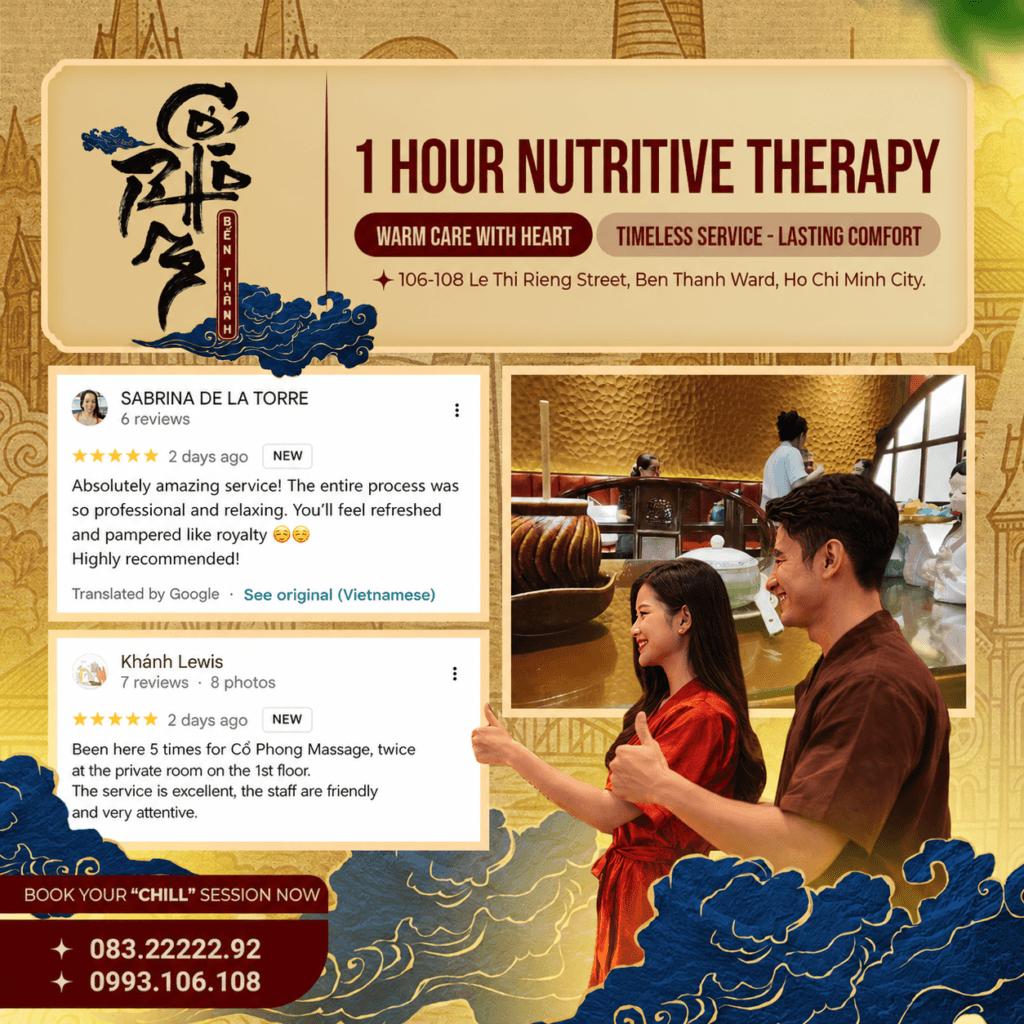
Who benefits most from a Steam Room in District 1
- Those with respiratory sensitivity. Dust, vehicle exhaust, and air-conditioned interiors collectively strain the upper respiratory system throughout a typical working week in Saigon. Herbal steam offers direct, botanical relief that antihistamines and nasal sprays do not replicate.
- Clients with chronic muscle tension. Steam softens tissue in ways that no amount of surface massage achieves alone, making subsequent bodywork dramatically more effective for anyone carrying long-term tension in the back, shoulders, or neck.
- Travelers adjusting to the climate. The shift between HCMC’s outdoor heat and aggressively air-conditioned interiors creates a thermal stress cycle. Herbal steam helps the body recalibrate from that cycle in a way that passive rest rarely achieves.
- Professionals with high cortisol loads. The parasympathetic activation triggered by sustained warmth is one of the most effective non-pharmaceutical tools for breaking a chronic stress cycle, and it works whether or not the person believes it will.
- Anyone who has not slept well in weeks. Improved sleep is among the most consistently reported outcomes after regular herbal steam sessions, because the nervous system downregulation it triggers carries through well past the session itself.
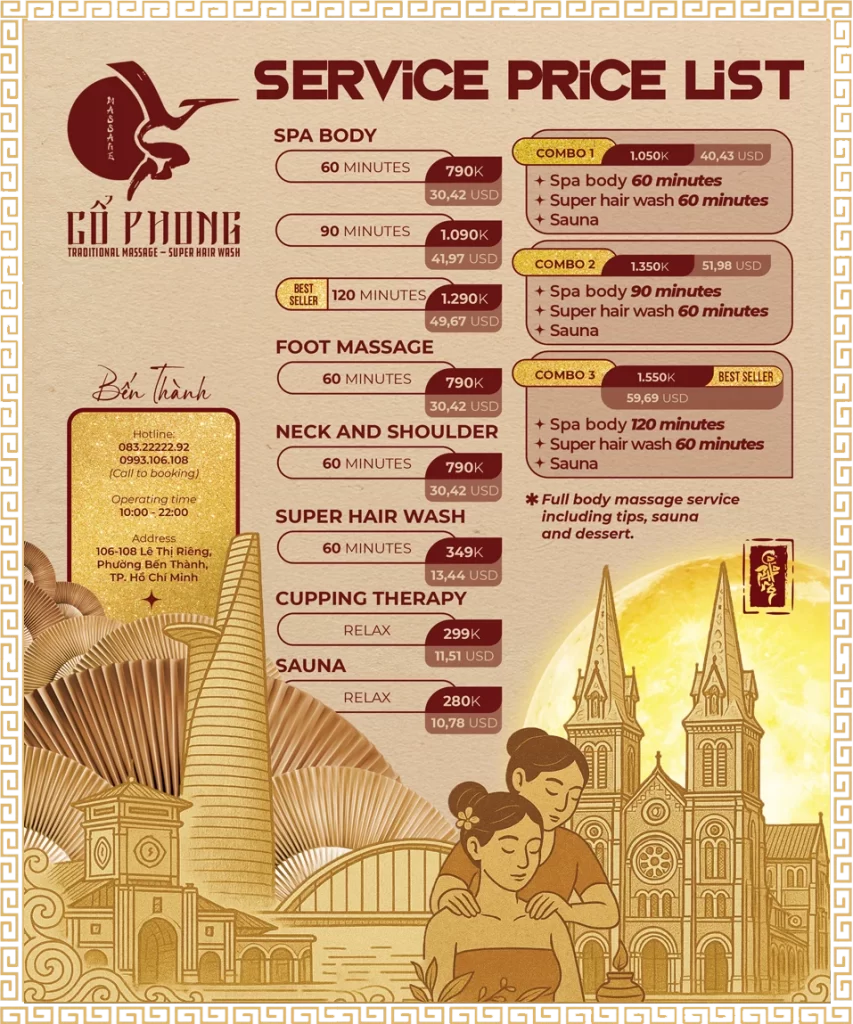
Pricing at Co Phong Massage
Steam therapy at Co Phong is available as a standalone session or as part of a structured wellness combo. The pricing is fully transparent with no additions at checkout.
| Service | Description | Price (VND) |
|---|---|---|
| Relaxing steam therapy standalone | Steam therapy session only | 250,000 |
| Combo 1: Standard relaxation | Body massage + herbal head spa + steam | 800,000 |
| Combo 2: Deep recovery | 90-minute intensive treatment + herbal head spa + steam | 1,000,000 |
| Combo 3: Royal therapy | 120-minute full body treatment + herbal head spa + steam | 1,200,000 |
A practical note before you book
If you are visiting Co Phong specifically for the steam room experience, a standalone session is a perfectly complete treatment in its own right. If your primary concern is muscular tension, a combination of steam followed by either the full body massage in Sai Gon or the neck and shoulder session will produce results that neither treatment achieves as effectively on its own.
For first-time visitors to a herbal steam room in Ho Chi Minh City, it is worth knowing that the effects tend to accumulate across sessions rather than arriving fully formed in a single visit. Most clients describe the third or fourth session as the point at which the cumulative benefit becomes clearly noticeable. Improved sleep, reduced respiratory sensitivity, and a baseline sense of physical ease that they had stopped expecting to feel in the middle of a working week in Saigon.
The steam room at Co Phong is not a novelty feature or a supplementary offering. It is one of the oldest forms of therapeutic practice in East Asian medicine, delivered with the same seriousness and botanical integrity that the tradition has always required. In a city that takes a great deal from you on a daily basis, that kind of deliberate, evidence-grounded restoration is worth understanding properly before you dismiss it as a spa accessory.
Contact us to book your appointment today
Ban Co Branch (Former District 3)
408 Nguyen Thi Minh Khai Street, Ban Co Ward, Ho Chi Minh City
Hotline: 0989 71 74 94
pening Hours: 10:00 AM – 10:00 PM
Facebook: Traditional Massage District 3
Ben Thanh Branch (Former District 1)
06–108 Le Thi Rieng Street, Ben Thanh Ward, Ho Chi Minh City
Hotline: 083 22222 92 – 0993 106 108
Opening Hours: 10:00 AM – 10:00 PM
Facebook: Traditional Massage District 1